arjuna uvaacha
prakritim purusham chaiva kshetram kshetrajnam eva cha
etadveditumicchaami jnaanam jneyam cha keshava // 13.1 //
sri bhagavaan uvaacha
idam shareeram kaunteya kshetramityabhidheeyate
etadyo vetti tam praahuh kshetrajna iti tadvidah // 13.2 //
Bhagavad Gita, Chapter 13, KshetraKshetrajna Vibagha Yoga
Arjun said, “O Keshava, I wish to understand what are prakṛiti and puruṣh, and what are kṣhetra and kṣhetrajña? I also wish to know what is true knowledge, and what is the goal of this knowledge?
The Supreme Divine Lord said: O Arjuna, this body is termed as kṣhetra (the field of activities), and the one who knows this body is called kṣhetrajña (the knower of the field) by the sages who discern the truth about both.
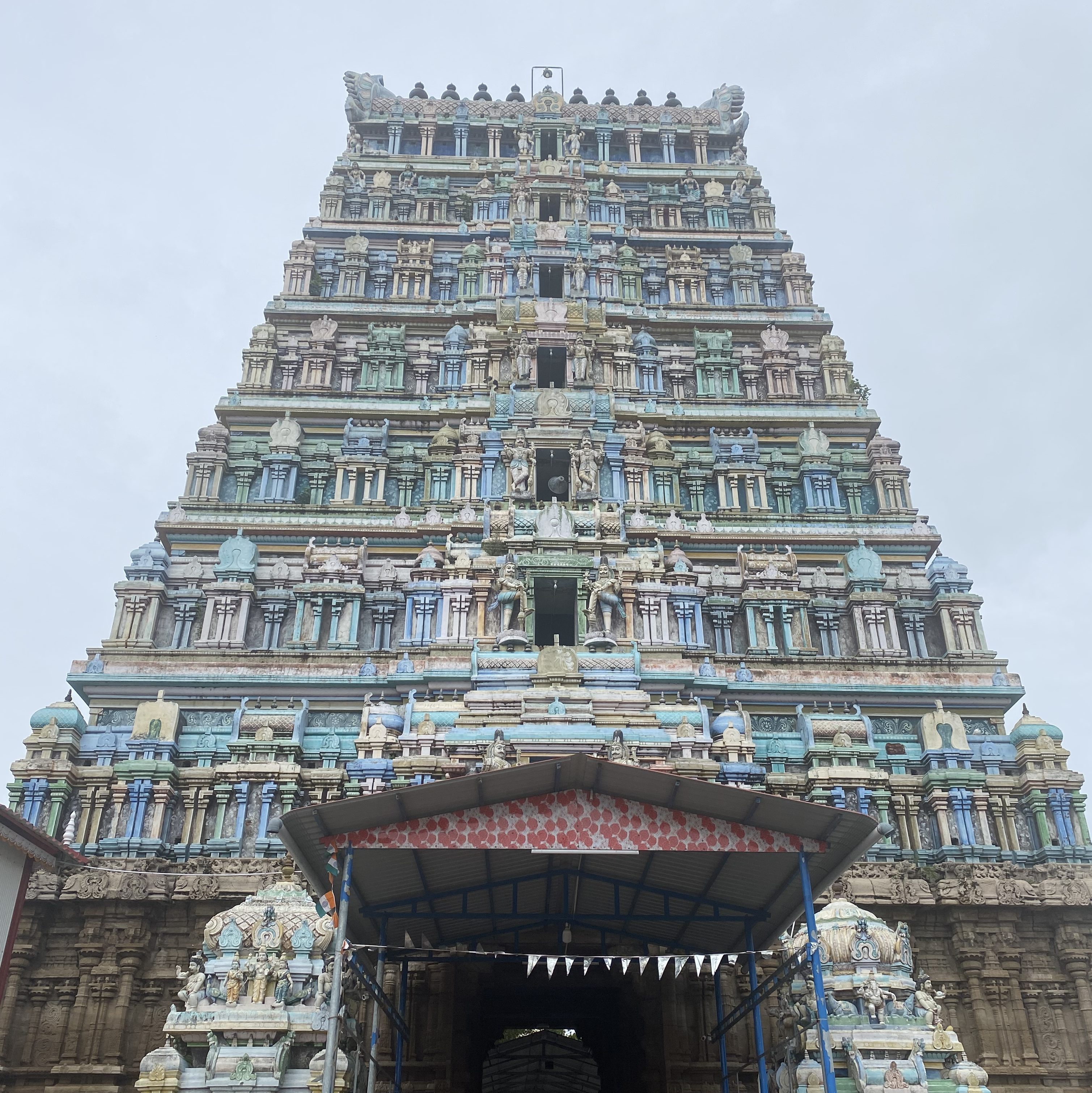
The process of self realization comes from the distinction between the field/physical location (“kshetra” )and the knower of the field (“kshetrajña”) – distinction between Prakriti and Purusha, the knower and the knowledge, body and spirit. Which is probably why temples are called Kshetras and the yatra (travel) to a temple is called Kshetrādanam. The journey of understanding the kshetra facilitates the kshetrajña with self introspection somewhere along the path and self-realization through repeated sādhana.
 Kshetra Kshetrajna Yatra